
Screw Materials Guide: How to Choose the Right Raw Material
The performance of a screw depends not only on its size and thread design but also on its raw material. Strength, hardness, corrosion resistance, electrical conductivity, and processing cost can all vary significantly between materials.This guide introduces the most common screw materials and explains how to select the right one for different applications.
Low-Carbon Steel
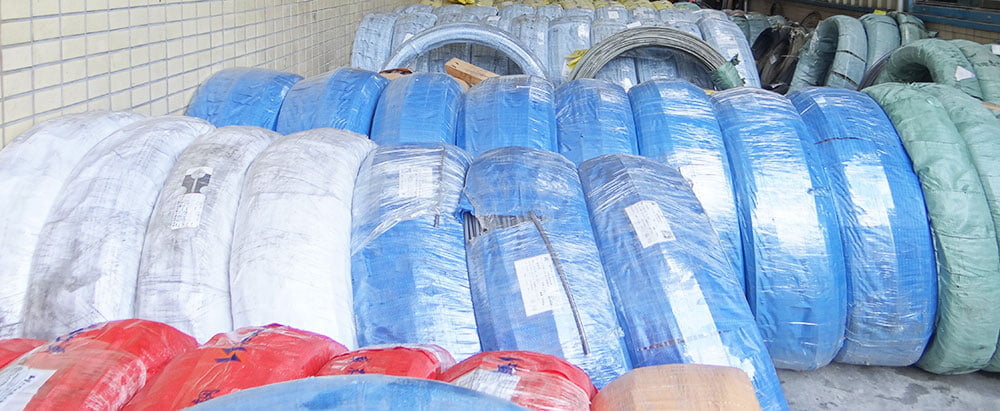
Low-carbon steel contains no more than approximately 0.25% carbon. It offers good plasticity, easy processing, and relatively low cost, but its natural hardness is limited.
Common grades include 1010, 1015, 1018, 1020, and 1022. These materials are often used for Class 4.8 bolts, Class 4 nuts, small screws, wood screws, self-tapping screws, and products without strict hardness requirements.
When higher surface hardness is required, low-carbon steel can be carburized to form a hard surface layer.
Medium-Carbon Steel
Medium-carbon steel generally contains 0.25% to 0.60% carbon. It provides higher strength than low-carbon steel and is usually used after quenching and tempering.
Grades such as 35 and 45 steel are suitable for Class 8 nuts, Class 8.8 bolts, and medium-strength internal hex screws. This material offers a practical balance between strength, cost, and processing performance.
High-Carbon Steel
High-carbon steel contains more than 0.60% carbon and can achieve high hardness. However, it also has greater brittleness and may crack under impact or vibration.
Because of these limitations, high-carbon steel is less common in standard fasteners and is generally considered only for special working conditions where both hardness and specific strength requirements must be evaluated carefully.
Alloy Steel
Alloy steel contains carbon steel combined with elements such as chromium and molybdenum. These additions improve strength, toughness, fatigue resistance, and heat treatment performance.
Common grades include 40Cr, 35CrMo, and 42CrMo. They are widely used for Class 10.9 and Class 12.9 high-strength screws in automotive, engineering machinery, and heavy-load applications.
For applications requiring high preload and reliable long-term fastening, alloy steel is usually a better choice than ordinary carbon steel.
Stainless Steel
Stainless steel contains approximately 12% to 30% chromium, often combined with nickel or other elements. It is selected primarily for corrosion resistance, but its strength varies by grade and structure.
Austenitic stainless steels, such as 304 and 316, provide excellent corrosion resistance and are strengthened through cold working. They are suitable for outdoor, chemical, marine, and food-related environments.
Martensitic stainless steels, such as 410, and ferritic grades, such as 430, have different strength and corrosion characteristics and may be selected according to the required balance of hardness and environmental resistance.
Stainless steel strength classes such as 45, 50, 60, 70, and 80 generally represent one-tenth of the minimum tensile strength in MPa. For example, Class 70 stainless steel has a minimum tensile strength of approximately 700 MPa.
Copper and Copper Alloys
Copper materials are valued for conductivity, corrosion resistance, ease of processing, and decorative appearance.
Brass, such as H59 and H62, is one of the most common copper alloys for screws. It offers good strength and economy for electrical, plumbing, and general decorative fasteners.
Pure copper, such as T2, provides excellent electrical conductivity and is often used in precision electronics and conductive connection components.
Copper-zinc or other copper alloys may be used where higher strength, wear resistance, or corrosion resistance is required.
How to Choose the Right Material
For light loads, low cost, and non-corrosive environments, low-carbon steel is usually sufficient. Medium-carbon steel is suitable for general medium-load mechanical applications.
Alloy steel is recommended for heavy loads and high-strength assemblies. Stainless steel is the preferred option for outdoor, humid, chemical, or food-related environments.
For electrical conductivity or decorative applications, brass or pure copper fasteners are often more suitable.
Common Selection Mistakes
The highest-hardness material is not always the best choice. High-carbon steel may be brittle and unsuitable for impact-prone applications.
Stainless steel is not automatically stronger than carbon steel. Its strength depends on the specific grade and class.
Copper screws are not limited to brass. Pure copper, brass, bronze, and other copper alloys each have different performance characteristics.
Screw material selection should be based on load requirements, environmental conditions, processing needs, and cost. Carbon steel is economical and versatile, alloy steel provides high strength, stainless steel offers corrosion resistance, and copper alloys deliver conductivity and decorative value.

