
Fastenal Pins Manufacturer
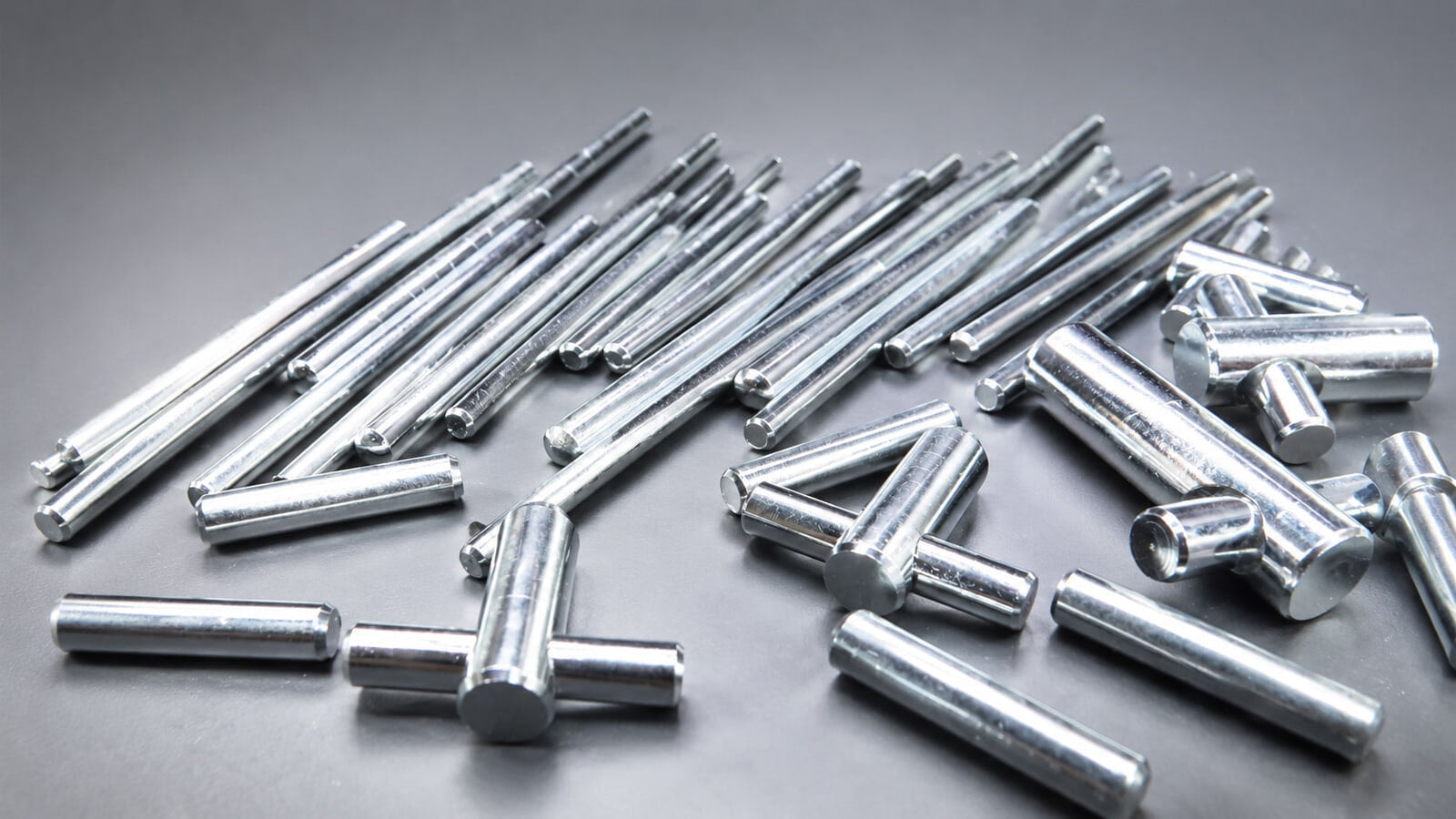
GD Fastenal offers precision-engineered pins—reliable pins designed for accurate positioning, alignment, and secure fastening with these high-performance pins in diverse assemblies. widely used in industrial, automotive, and electronic applications where top-grade pins are essential.
Common Types of Pins GD Fastenal Supply
1. Alignment and Location Pins
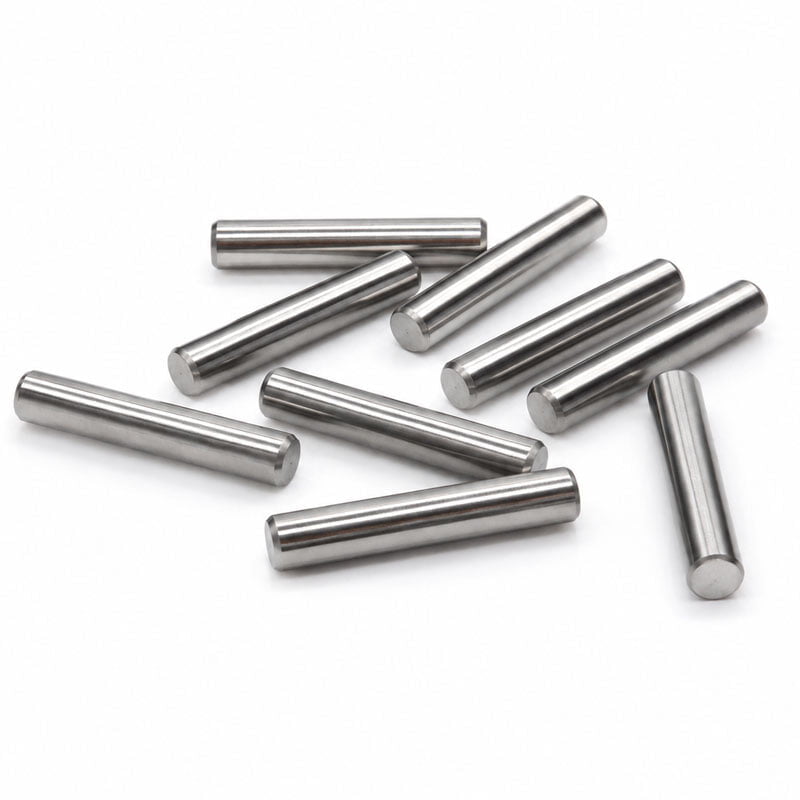
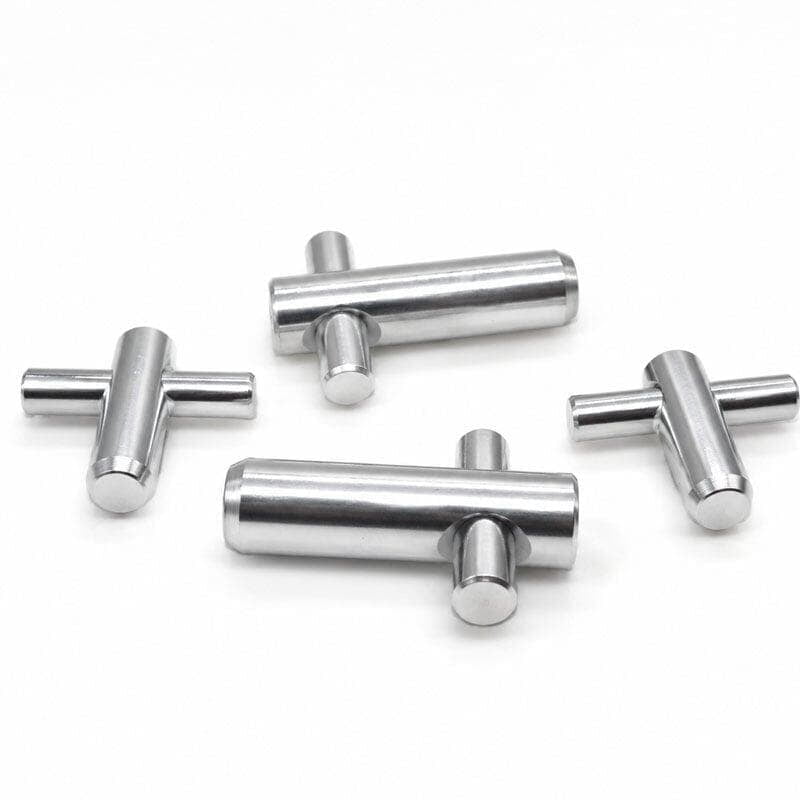
- Dowel Pins: Solid, highly precise cylindrical rods used to keep machine parts in exact alignment before bolting. Available in hardened steel, stainless steel, or ground finish with internal pull-out threads. Designed for tight‑tolerance locating applications, these non‑threaded fasteners maintain positional accuracy and resist shear loads during equipment operation, preventing component shifting or misalignment after assembly.
- Taper Pins: Tapered along their length (1:48 or 1:50 slope) to fit snugly into matching tapered holes, ensuring accurate positioning under repeated reassembly. Thanks to the self‑locking taper design, these locating fasteners create firm interference fit once driven into place, resisting vibration, shock and lateral shear forces that could cause positional drift during machine operation. The taper pins widely applied for shafts, gears, jigs and mechanical assemblies requiring reliable repeat‑locating capability.
- Grooved Pins: Feature three longitudinal swaged grooves that expand the metal slightly, locking the pin in place via elastic deformation when pressed into a drilled hole. Feature three longitudinal swaged grooves that expand the metal slightly, locking the pin in place via elastic deformation when pressed into a drilled hole. The grooved pins commonly used in automotive parts, household appliances and general mechanical assemblies.
2. Quick-Release and Hinge Pins
- Clevis Pins: Feature a flat head at one end and a cross-drilled hole at the other, mated with an R-clip or cotter pin to form a swiveling or hinged joint. Designed primarily for pivot and articulation applications rather than high‑precision locating, these mechanical fasteners tolerate frequent rotational motion between connected parts. The clevis pins widely utilized in linkages, agricultural machinery, trailer components and general‑purpose hinge assemblies.
- Ball Lock Pins (Push-Button Pins): Feature spring-loaded steel balls near the tip that retract when a center button is pressed, enabling fast, tool-free locking and release. These versatile locking pins deliver reliable clamping performance and high repeat accuracy, making them ideal for quick-change fixtures, industrial tooling, equipment guards and modular mechanical assemblies.
3. Spring and Tension Pins
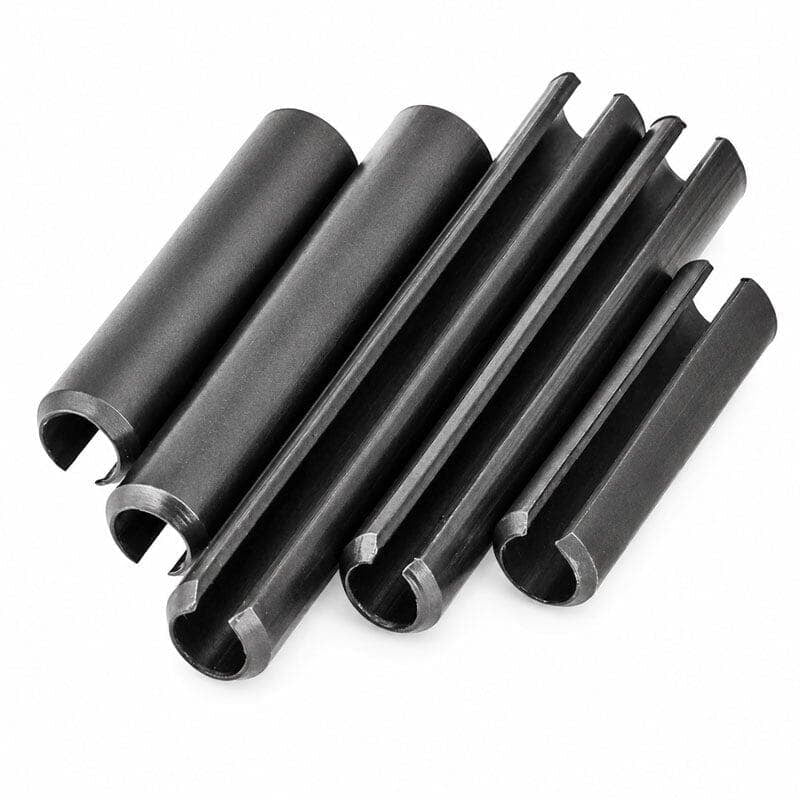
- Slotted Spring Pins (Roll Pins): Hollow, cylindrical pins with a longitudinal slot. Compressed upon insertion into a slightly smaller hole, relying on outward radial pressure to hold tight. It is worth noting that these fasteners are more suited for securing and light‑duty locating rather than ultra‑precision positioning. They are extensively used in automotive components, household appliances and general machinery assemblies.
- Coiled Spring Pins (Spiral Pins): Rolled from sheet metal in 2.25 turns, distributing shock loads evenly across the spiral layers to prevent fatigue failure under high vibration. Requiring no reamed holes for installation, they support quick press-fit assembly while maintaining stable clamping performance, making them highly reliable for high-cycle, dynamic mechanical applications in automotive, industrial machinery and heavy-duty equipment systems.
4. Retaining and Locking Pins
- Cotter Pins (Split Pins): Dual‑prong wire fasteners bent at the ends after insertion through a hole to prevent nuts or clevis pins from loosening under vibration. They serve primarily as safety retaining elements instead of load‑bearing locating components, offering low‑cost, convenient securing for general mechanical joints. These simple fasteners are widely adopted in agricultural equipment, trailer assemblies, automotive linkages and various low‑to‑medium duty mechanical systems.
- Linch Pins: Feature an attached wire ring that snaps down around a shaft to prevent the pin from sliding out during heavy operation (commonly used on agricultural equipment and trailers). Extremely easy to install and remove without extra tools, they offer durable and cost-effective shaft retention for dynamic moving parts, serving as essential locking hardware for farm machinery, trailer axles, and various outdoor heavy-duty mechanical assemblies.
Dowel Pins
Slotted Spring Pins
Steel Dowel Pins
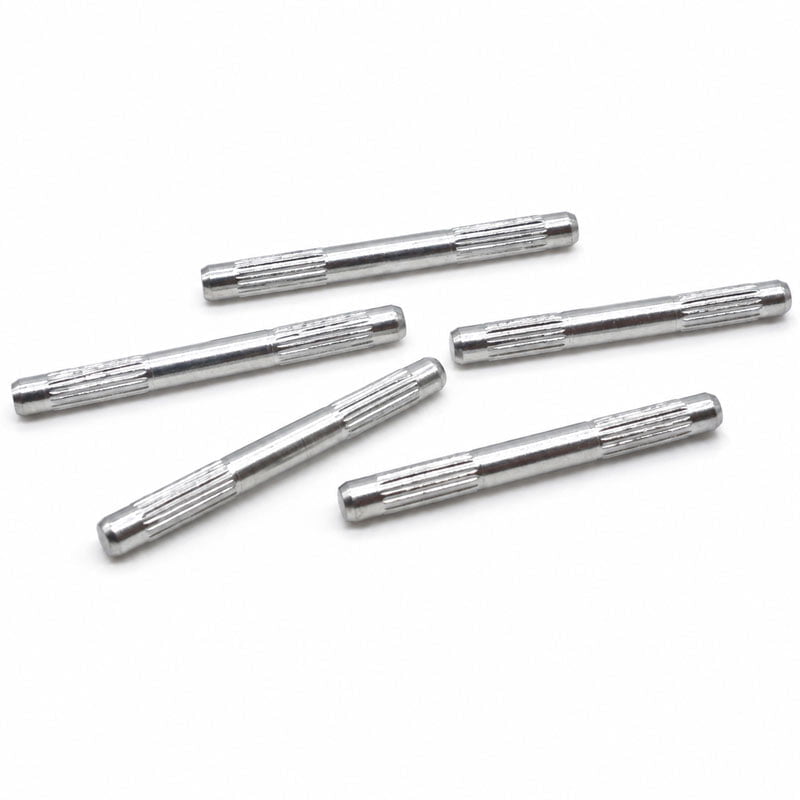
Knurling Pins
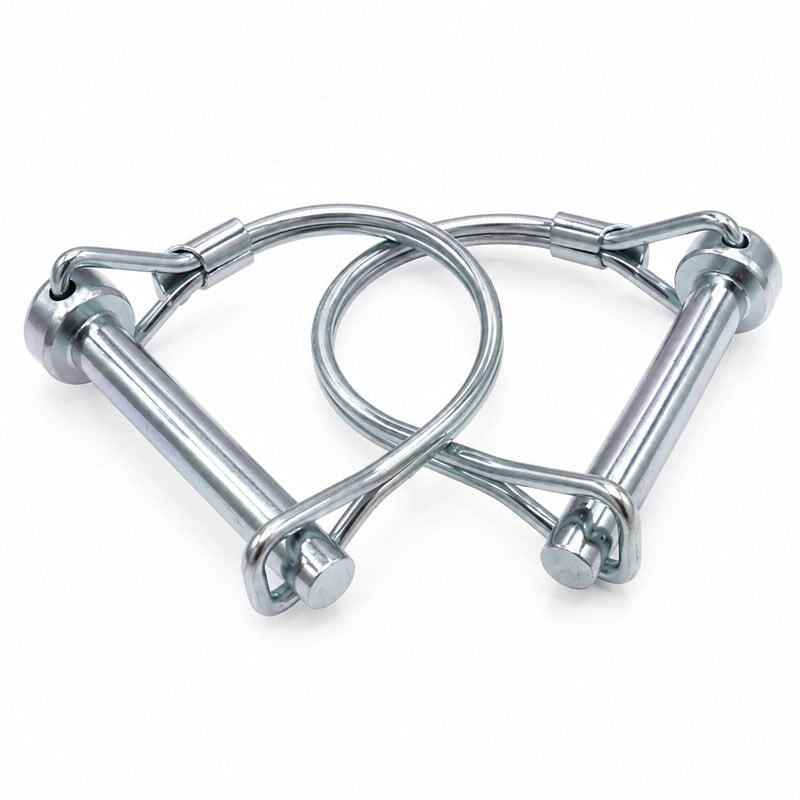
Linch Pins
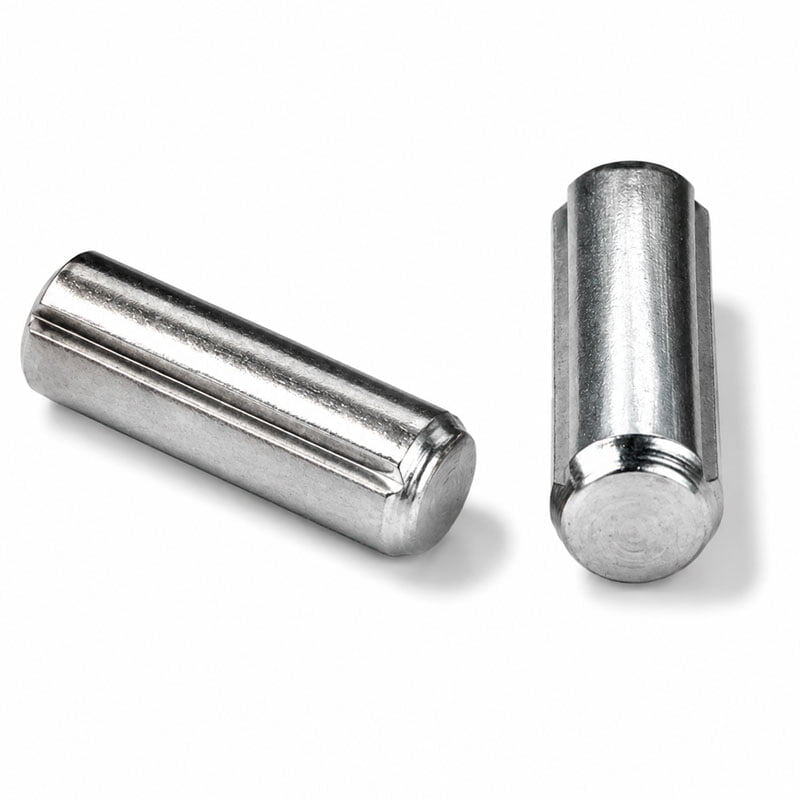
Grooved Pins
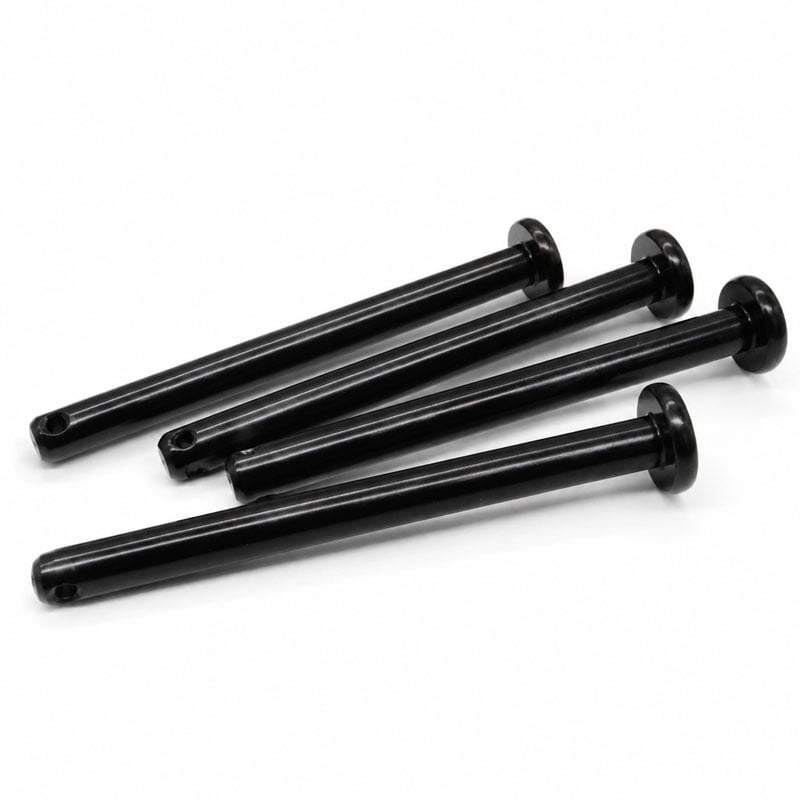
Clevis Pins
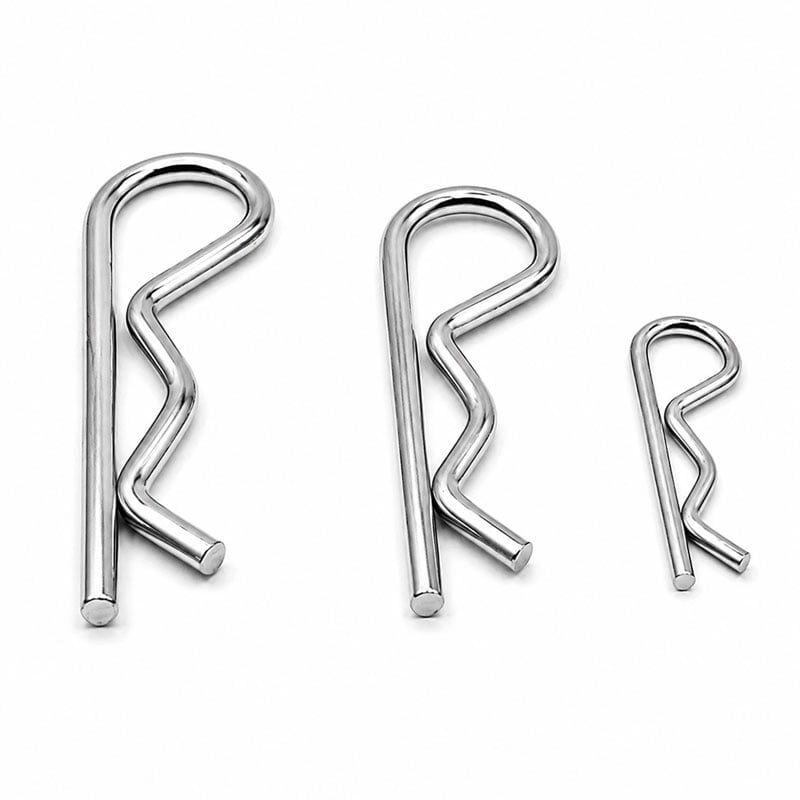
Spring Cotter Pins
The Production Method for Fastener Pins
Fastener pins are manufactured using three primary production methods, depending on the required precision, pin geometry, and order volume: Cold Heading (Forging), Precision CNC Machining, and Sheet Metal Stamping/Coiling. Each manufacturing technique has distinct strengths and application boundaries for producing different types of locating, hinged and safety pins.
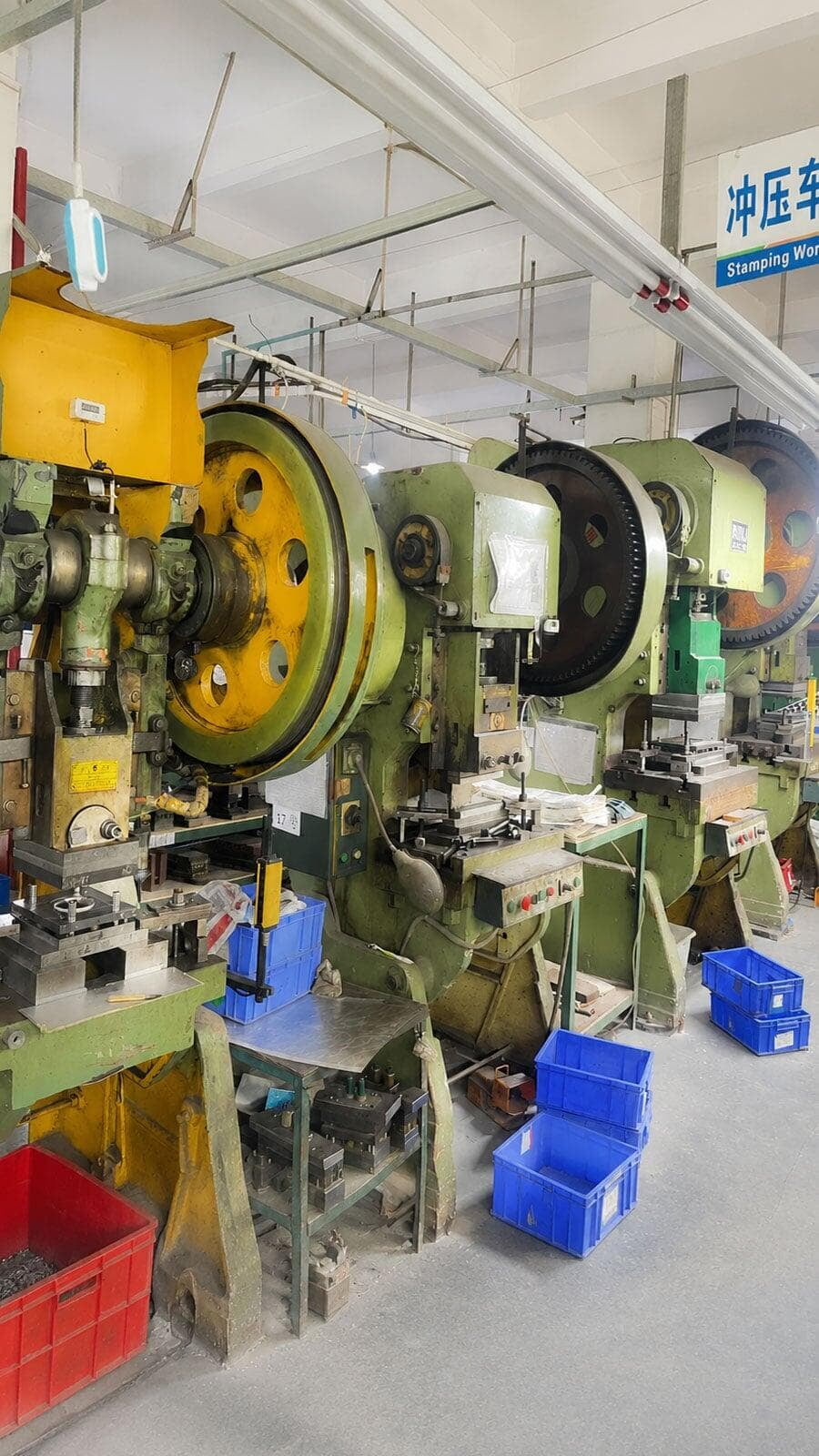
Cold Heading / Cold Forging (High Volume)
Best for standard pins with heads, shoulders, or simple stepped profiles (e.g., clevis pins, solid dowels). The blank is forced sequentially into progressive dies under massive pressure without heat, forming heads, chamfers, or steps while preserving metal grain flow for strength.
CNC Lathe / Swiss Machining (Precision & Custom)
Best for tight-tolerance dowel pins, threaded pull-out pins, or multi-featured custom designs with grooves, cross-drilled holes, or internal threads.
- Precision Turning: Bar stock is fed through Swiss-type automatic lathes or CNC turning centers.
- Secondary Operations: Milling, cross-drilling (for clevis pin clip holes), and threading are completed in a single setup for high coaxiality.
Stamping & Roll-Forming (Spring & Roll Pins)
Best for slotted spring pins, coiled pins, and cotter pins.
- Slotted Spring Pins: High-carbon spring steel strip is punched to size, chamfered at the edges, progressive-formed into a hollow cylinder with a longitudinal slot.
- Coiled Pins: Flat metal strip is continuously rolled into 2.25 spiral turns to distribute impact stress across layers.

